Traditional braces, done properly — not just straight,built to last.
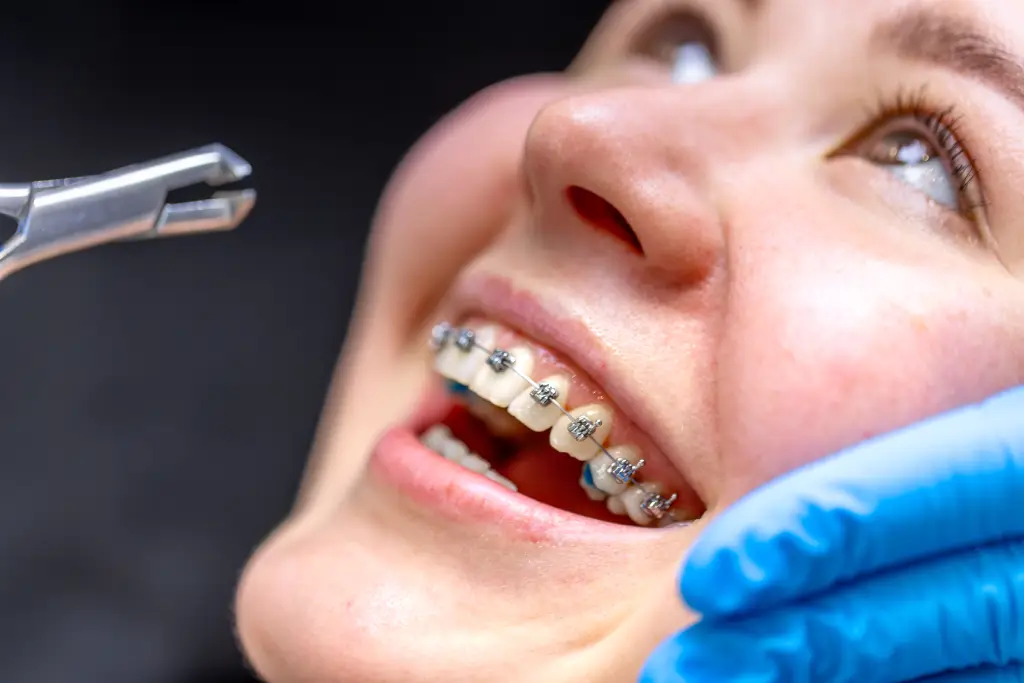
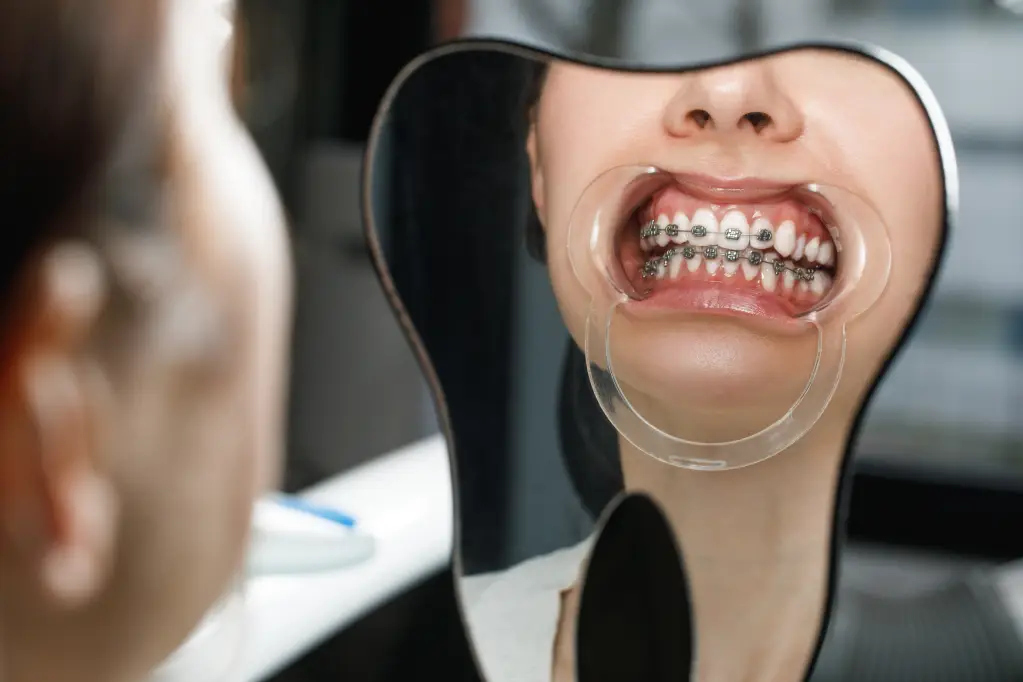
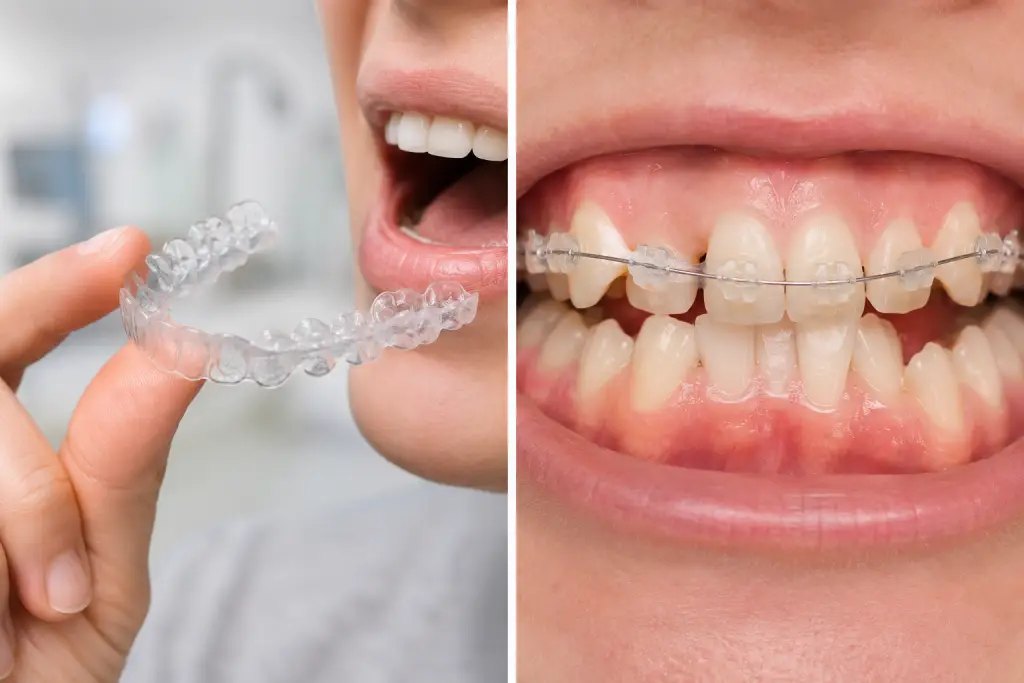
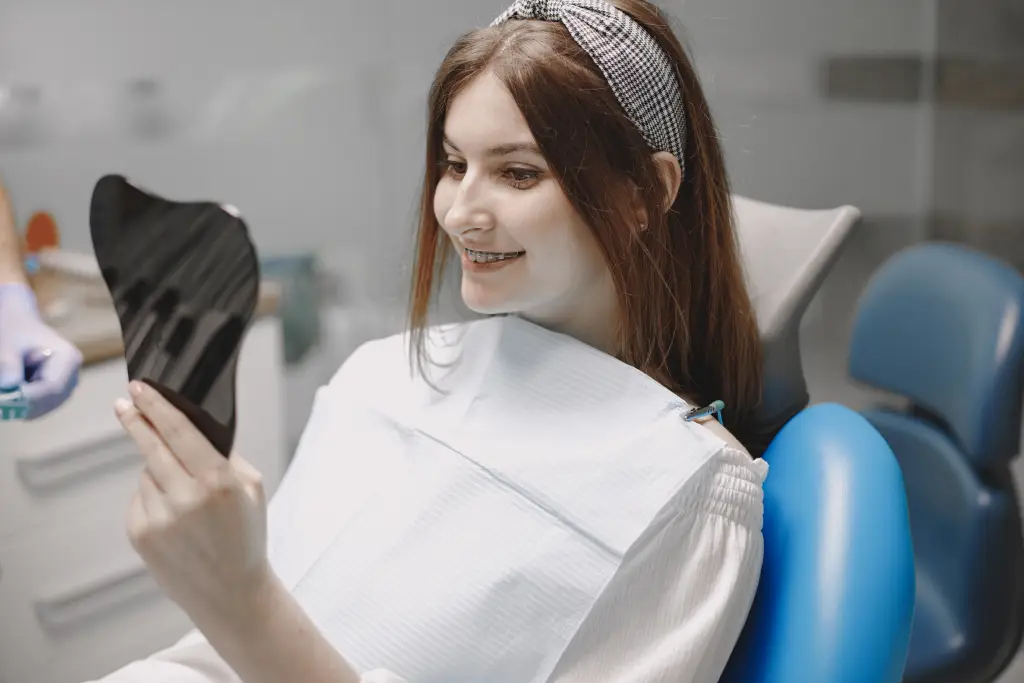
Fixed braces move teeth with more control than any removable option allows, particularly where a tooth needs to rotate or a bite needs correcting vertically as well as side to side. Metal, ceramic, or fitted behind the teeth, the mechanics are the same: brackets and an archwire, tightened in planned stages.
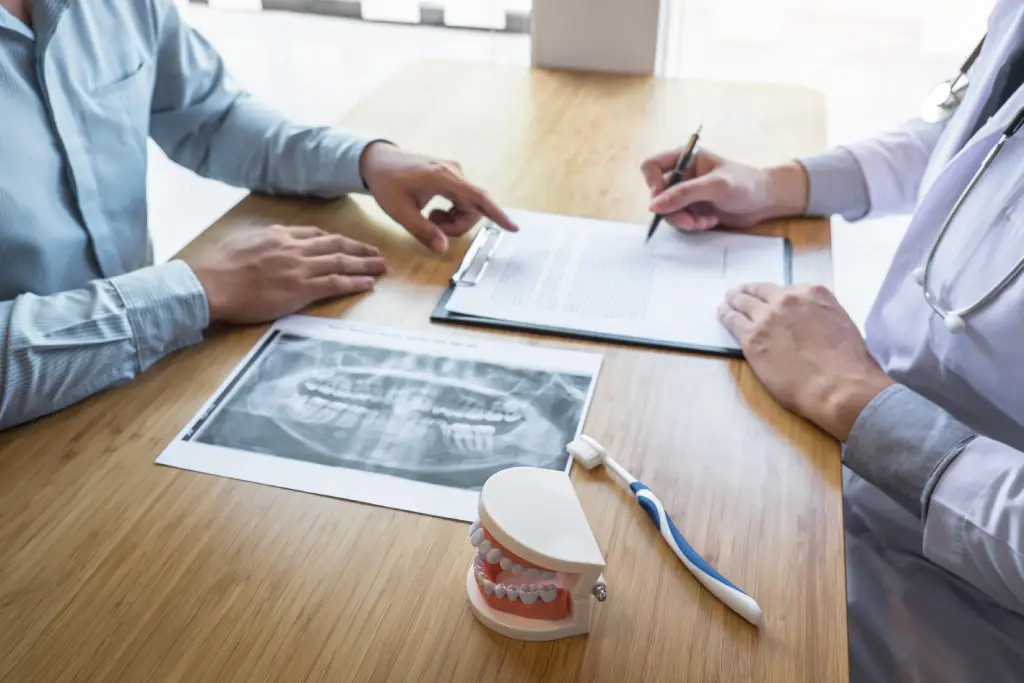
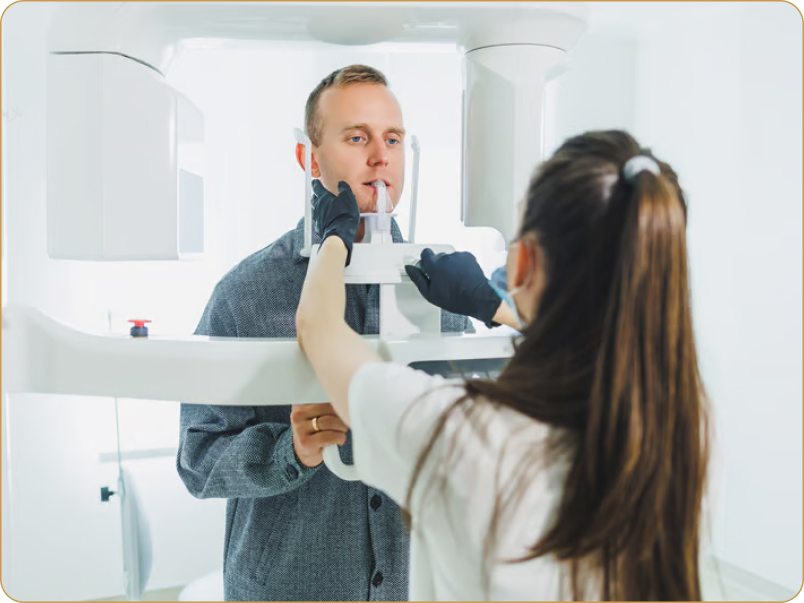
Send an X-ray or three phone photos. A dentist reviews them and writes back with a provisional plan.
Implants
0K+
Crowns
0K+
In Budapest
0 Years+
Dentists
0 Specialist
START HERE
The three things worth knowing first
Brackets and wire, doing the work gradually
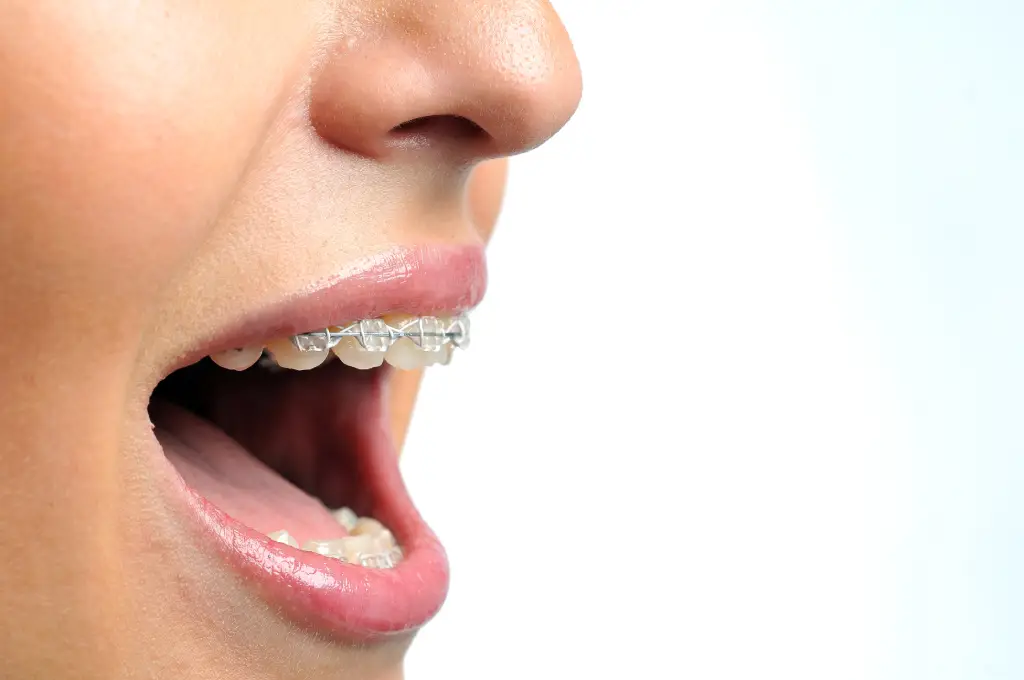
Small brackets are bonded to each tooth and connected by an archwire. Tightening and reshaping that wire at each visit applies steady pressure, and the teeth move through the bone over months rather than weeks.
Metal, ceramic and lingual (behind-the-teeth) versions all work on the same principle — the difference is how visible the hardware is, not how effective the movement is.
Cases with real movement to make
Fixed braces are usually the better route where teeth need to move a significant distance, rotate, or where the bite itself needs correcting — not just cosmetic straightening.
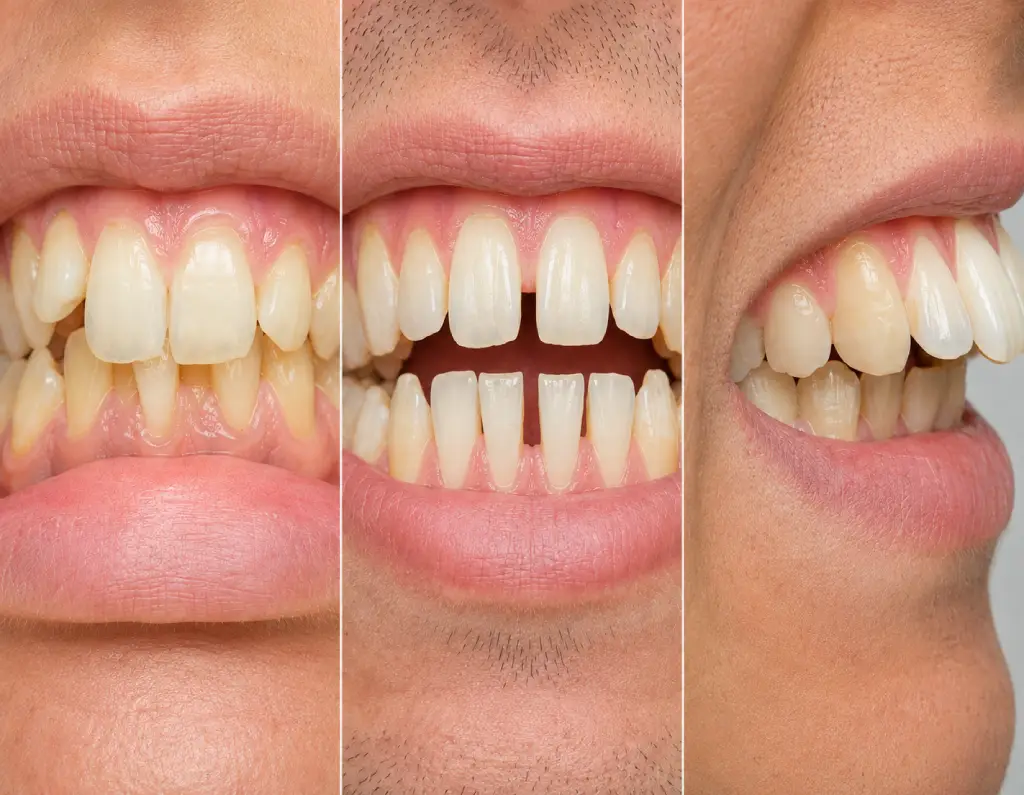
Crowded or overlapping teeth
Noticeable gaps between teeth
Overbite, underbite or crossbite
Teeth that have drifted after a missing tooth was left too long
Where aligners run out of road
Clear aligners rely on the patient wearing them for the majority of each day, and they are limited in how much rotation or vertical movement they can achieve on their own.
Fixed braces are bonded in place, so there’s no compliance question, and they can handle more complex tooth movement in a single course of treatment.
YOUR OPTIONS
What changes once the brackets come off
Left uncorrected, crowding and bite problems tend to get harder to treat over time, not easier — teeth continue to drift, and uneven wear on crowded teeth can shorten their life.
A properly finished course of braces leaves teeth easier to clean, a bite that meets evenly, and a retainer plan to hold the result.
Teeth aligned into a stable, cleanable position
Bite corrected, not just the visible front teeth
A retainer fitted at debond to hold the result
THE PROCEDURE
Procedure - interactive step - through
Treatment length depends on how much movement is needed — from around a year for limited correction to two years or more for a full bite correction. Step through the sequence.
FIRST VISIT
Scan and Plan
Photographs, a digital scan, and a bite assessment, so the treatment plan is built around your case specifically.
Bonding
Brackets are fitted to your teeth in a single visit in Budapest, and the first archwire is placed.
Adjustments
The archwire is tightened at intervals, typically every six to eight weeks, moving teeth in planned stages.
Progress Checks
Reviewed regularly. Minor checks can sometimes be managed by photo between trips; the key adjustment stages happen in person.
Debond and Retain
Brackets are removed, teeth are polished, and a retainer is fitted immediately to hold the new position.
YOUR OPTIONS
Not every gap needs the same solution
Titanium implant and crown
From £745
The standard route. A Camlog or Straumann implant, an abutment, and a zirconia crown from our own laboratory.
Ceramic, metal-free
From €1,700
A two-piece ceramic implant with a zirconia crown, for patients who want no metal in the mouth at all. Very few clinics in Europe offer this.
Immediate implant
From €1,000
Where bone quality is good and the tooth is coming out anyway, the implant can go in at the same visit with a temporary crown straight away.
THE COST
Indicative price list
These figures are placeholders in the same published-price-list format CosmoDent uses for implants — not confirmed brace pricing. Replace with the clinic’s actual component prices before this page goes live.
Diagnostics
Consultation with treatment plan
20,000 HUF
£45
CBCT scan
30,000 HUF
£70
ADDITIONAL WORK, ONLY WHERE THE MOUTH NEEDS IT +
Prices are indicative. The exact price of your treatment is calculated at your first consultation, once we have seen the X-rays. GBP figures are converted for guidance at approximately 427 HUF to the pound.
Not sure whether you need
an implant at all?
Send an X-ray, or three photos on your phone. A dentist will look at it and write back with a provisional plan and an indicative price — before you commit to anything, and before you book a flight.
Founded CosmoDent in 2011, with 25 years of international experience in comprehensive treatment, implantology, prosthetics and aesthetic dentistry.
Dr. Péter Kiss
Prosthodontics, Aesthetic Dentistry
Qualifications, Hungarian registration number, years in practice, postgraduate implant training and memberships.
Dr. Gabriella Juhász
Orthodontics
The clinician who designs and fits the crown, working alongside our on-site laboratory.
WHO WOULD TREAT YOU
What our patients say about Cosmodent
“I was nervous about visiting an unfamiliar clinic, but I had a great experience. The clinic was clean, modern and stylish, and my doctor did an amazing job.”
Daria Savinova
“Arrival, airport pickup and appointment scheduling went very smoothly. Dr Ecsegi was highly competent, and I felt well cared for during my treatment.”
Peter Pahle
“I had been an extremely anxious patient for many years and carefully researched clinics before choosing CosmoDent. I’m incredibly happy with my experience.”
Michael Sauer
“The perfect dental clinic! Several dentists told me they couldn’t replace my two front teeth with implants following an accident—but CosmoDent helped me.”
Balázs Sótér
“This was by far the best dental experience of my life. I travelled to Budapest after weeks of pain and difficult experiences with several dental clinics in Paris.”
Alexander Sarvaan
Excellent — 4.9 out of 5 from 250+ Google & Facebook reviews
COMMON QUESTIONS
Dental braces, answered
How many trips to Budapest will braces need?
Fewer than you’d expect. You need to be there for bonding and for the key adjustment stages; some routine checks in between can be managed with photos. We map out the likely number of trips for your specific case at the assessment.
Are ceramic or lingual braces much more expensive than metal?
Yes, generally — ceramic costs more than metal because the brackets themselves cost more and need more careful handling, and lingual is typically the most expensive of the three because of the extra time it takes to fit and adjust. Exact figures come after your assessment.
Do braces hurt?
There’s usually some pressure and mild discomfort for a few days after fitting and after each adjustment, similar to the ache of biting on something firm. It settles quickly and isn’t described as painful by most patients.
Can I get braces if I already have a filling or crown?
Usually, yes — brackets can be bonded to crowns as well as natural teeth in most cases. We check this at the scan stage and flag anything that needs a different approach.
What happens if a bracket comes loose while I'm back in the UK?
Contact us straight away — a loose bracket usually isn’t an emergency, but we’ll tell you whether it can wait until your next scheduled visit or needs an earlier check-in.
How long will I need a retainer for afterwards?
Indefinitely, in some form — most people wear a retainer full-time for the first few months, then reduce to nights only. Teeth keep a natural pull back toward their old position for years, so stopping retention early is the most common reason a result relapses.
FREE ONLINE ASSESSMENT
Find out where you stand
Upload a panoramic X-ray if you have one. If not, three clear phone photos are enough to start. A dentist reviews what you send and you receive a written provisional plan with an indicative price.
No obligation, no deposit, and no need to travel to find out whether an implant is even the right answer.